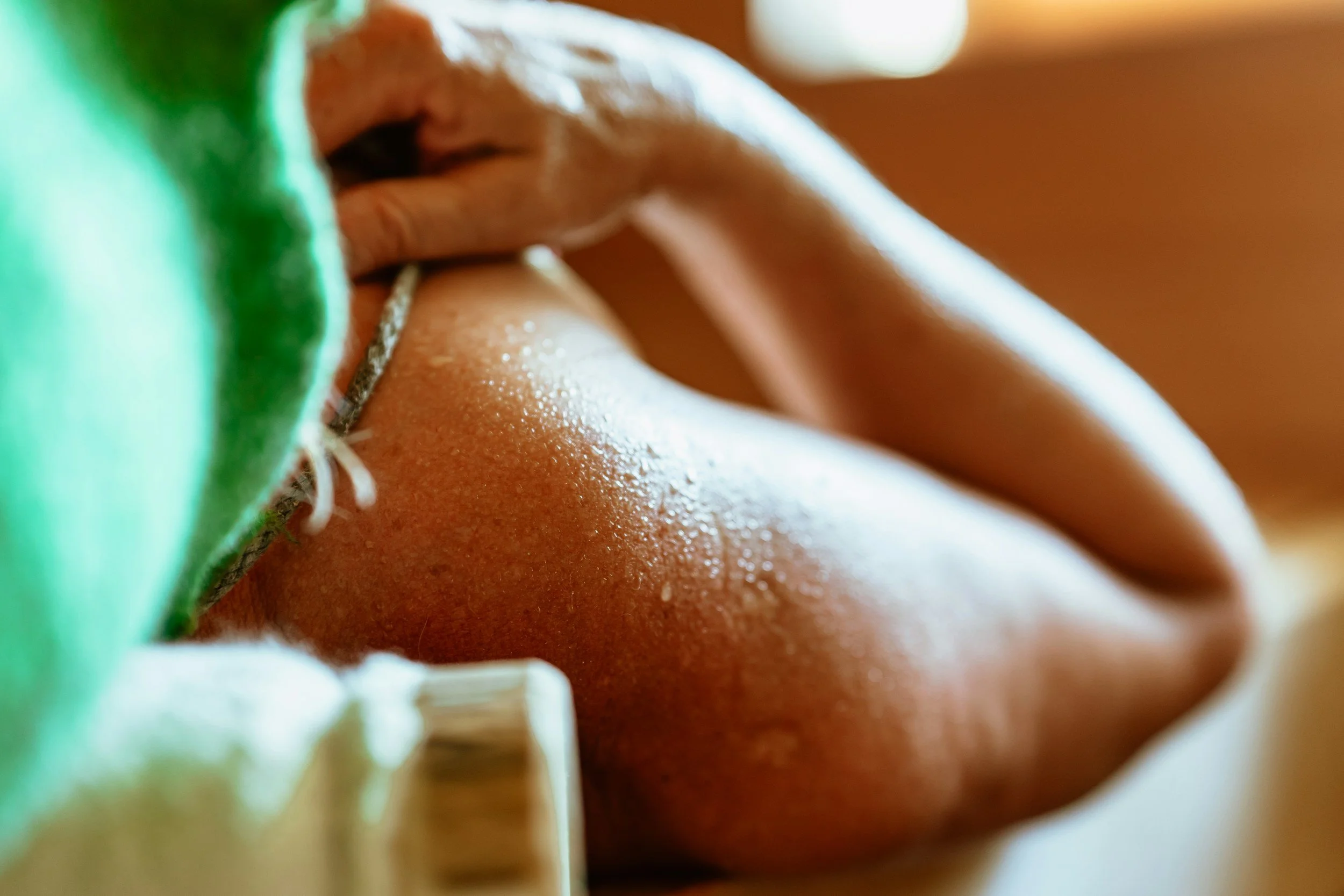
I know. Using heat to manage hot flashes sounds counterintuitive at best. At worst it sounds like something someone made up to sell sauna memberships. But stay with me for a moment, because the physiology behind this is genuinely interesting, and the women I work with across Rancho Santa Fe, Fairbanks Ranch, Del Mar, and La Jolla who have added infrared sauna to their wellness routine are some of the most surprised by the results.
First, What Makes Infrared Sauna Different
Traditional saunas heat the air around you to very high temperatures, typically between 150 and 195 degrees Fahrenheit, which then heats your body from the outside in. Infrared saunas work differently. They emit infrared light that penetrates directly into the body's tissues, warming you from the inside out at a much lower ambient temperature, usually between 120 and 140 degrees Fahrenheit.
This distinction matters. Because infrared heat penetrates the body more deeply at a lower external temperature, the experience is gentler, more tolerable, and, for many women, more therapeutically effective for the specific mechanisms driving hot flashes.
The Counterintuitive Physiology
Hot flashes are driven by the hypothalamus becoming hypersensitive to tiny changes in core body temperature as estrogen declines. The hypothalamus essentially loses its calibration and begins triggering heat-release responses at a much lower threshold than it used to.
Regular, controlled heat exposure through infrared sauna is thought to help recalibrate this thermoregulatory sensitivity over time. By repeatedly and safely raising core body temperature in a controlled environment, the hypothalamus may relearn a wider window of temperature tolerance. The idea is that over time, the triggers become less hair-trigger, and hot flash frequency and severity begin to reduce.
The Cortisol and Nervous System Connection
Beyond thermoregulation, infrared sauna appears to have a direct effect on the nervous system and cortisol levels. A single infrared sauna session is associated with measurable reductions in cortisol, increased endorphin release, and activation of the parasympathetic nervous system. Since elevated cortisol can worsen hot flash frequency and intensity, this calming effect may compound the thermoregulatory benefit.
What an Infrared Sauna Session at Ritual Looks Like
At Ritual Wellness Center in Rancho Santa Fe, our infrared sauna experience is designed as a ritualized, restorative practice rather than a transactional heat session. You'll be welcomed into a warm, quiet space and offered herbal tea. You may have just finished an embodied movement class (yoga or qi gong) or a meditation/breathwork session, have an Ayurvedic-inspired massage booked afterward, or be interested in processing something that's happening in your life right now in an Inner Alignment session. The environment is designed to support a full parasympathetic shift, which is part of what makes this practice so effective.
For women managing hot flashes, 20-minute sessions reflect the protocol used in published research on heat therapy and menopause symptoms. You'll leave feeling genuinely quieter, softer and more grounded, in a way that accumulates meaningfully with regular practice.
How Often and Any Considerations
For hot flash management and nervous system regulation, 3 sessions per week tends to produce the most noticeable results, though even one session per week can create meaningful benefit over time. Women across Carmel Valley, Encinitas, Solana Beach, and Carlsbad who have built infrared sauna into their regular rhythm often describe it as one of the non-negotiables in their wellness routine.
A few considerations worth noting. If you have cardiovascular conditions, are pregnant, or have any medical condition that affects your heat tolerance, please consult your doctor before beginning infrared sauna. Stay well hydrated before and after sessions.
Frequently Asked Questions
Is it safe to use an infrared sauna if I'm having hot flashes?
For most women, yes. The lower temperature of infrared sauna compared to traditional sauna makes it more tolerable, and the physiological mechanism is supportive rather than aggravating for most perimenopausal women. If your hot flashes are severe or you have any underlying health conditions, it's worth checking with your doctor before starting.
How many sessions before I notice a difference?
Many women notice an immediate improvement in how they feel after a single session, particularly in terms of stress, sleep, and overall nervous system regulation. The specific benefit for hot flash frequency typically becomes more noticeable after four to six weeks of regular practice.
What's the difference between infrared sauna and red light therapy?
Infrared sauna uses longer wavelength infrared light primarily for heat and its systemic effects. Red light therapy uses shorter wavelength red and near-infrared light primarily for cellular regeneration, collagen production, and anti-inflammatory effects. At Ritual, our Radiance Ritual combines both for a more comprehensive therapeutic benefit.
Can infrared sauna help with other menopause symptoms?
Many women also report improved sleep quality, reduced anxiety, better circulation, enhanced skin health, and reduced joint inflammation with regular infrared sauna use, all of which are particularly relevant during perimenopause and menopause.
If you've been curious about infrared sauna but weren't sure it was for you, consider this an invitation to experience it in a space designed specifically for restoration. At Ritual Wellness Center in Rancho Santa Fe, every session is an act of care.
This is your invitation to begin, gently, and in your own time.
The information shared in this post is intended for educational and informational purposes only and does not constitute medical advice, diagnosis, or treatment. The content reflects the holistic wellness philosophy of Ritual Wellness Center and is not a substitute for professional medical care. Always consult with a qualified healthcare provider regarding any health concerns, symptoms, or before making changes to your wellness routine. Individual experiences vary, and what is shared here is not intended to replace the personalized guidance of your doctor or licensed healthcare professional.