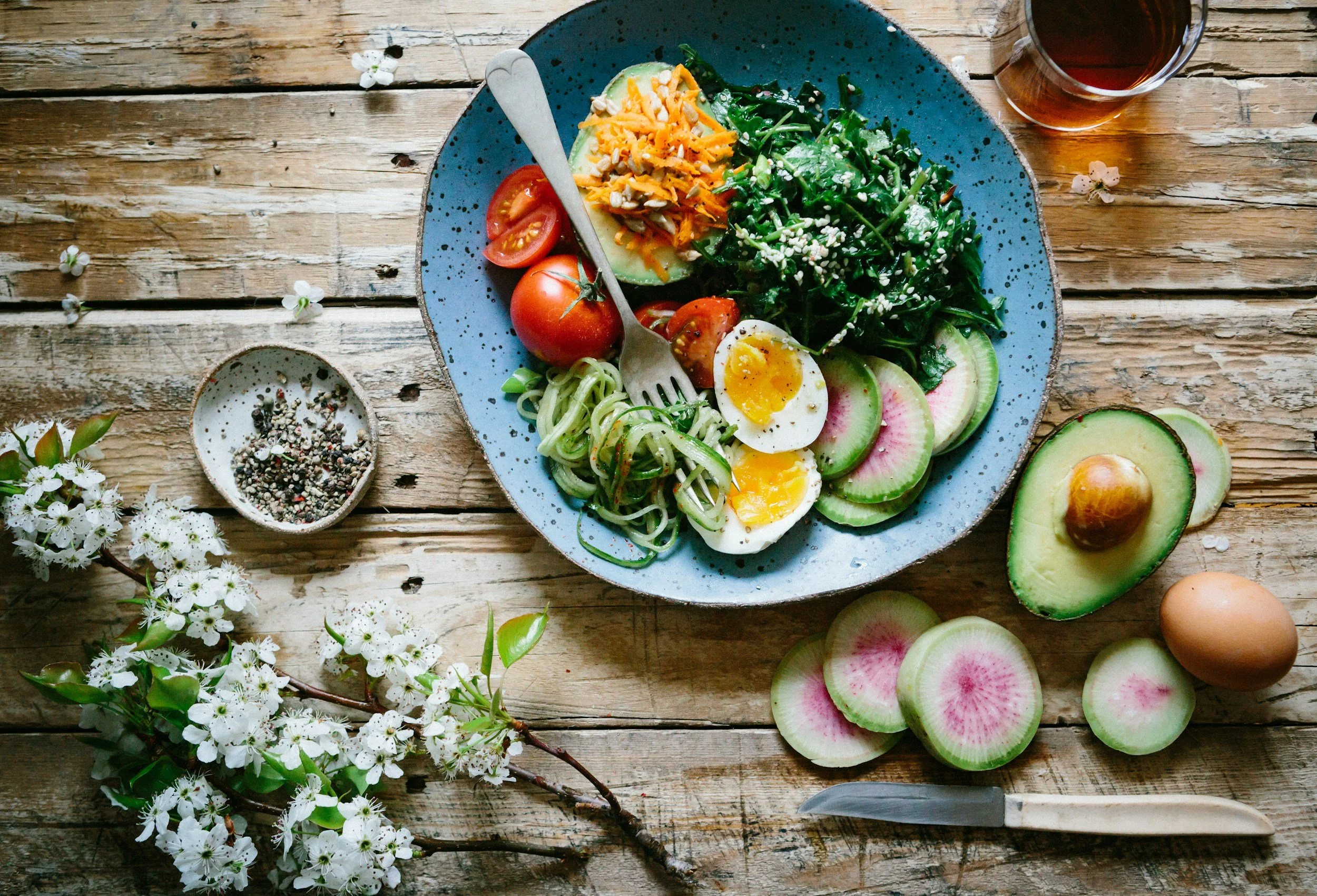
Nutrition in perimenopause is one of the most searched topics in women's health, and also one of the most confusing. The internet is full of conflicting advice, elimination protocols that feel punishing, and a general diet-culture undertone that is the last thing a woman in midlife needs.
I want to offer something different. Not a diet. Not a protocol. A framework, rooted in anti-inflammatory principles and Ayurvedic wisdom, that supports hormonal health without adding another layer of rigidity or restriction to a life that already has plenty of demands.
Why Inflammation Matters in Perimenopause
Estrogen has significant anti-inflammatory effects throughout the body. As it declines, systemic inflammation tends to increase. This is part of why perimenopause is associated with joint pain, brain fog, worsening skin conditions, digestive changes, and an amplification of almost every other symptom. Inflammation is the common thread running through the perimenopause experience, and diet is one of the most powerful tools available for addressing it.
An anti-inflammatory approach to eating isn't about restriction. It's about choosing, as often as possible, foods that reduce the inflammatory burden on the body rather than adding to it. And doing this with enough flexibility that it becomes a sustainable way of eating rather than another wellness regime that lasts three weeks.
Foods to Emphasize
Omega-3 fatty acids are among the most potent anti-inflammatory nutrients available. Fatty fish like salmon, sardines, and mackerel, walnuts, chia seeds, and flaxseed are excellent sources. For women who don't eat fish regularly, a quality omega-3 supplement is worth considering.
Phytoestrogens are plant compounds that have a gentle estrogen-like effect in the body and can help buffer the effects of declining estrogen. Organic fermented soy products like tempeh and miso, ground flaxseed, sesame seeds, and legumes are reliable sources. The research on phytoestrogens for menopausal symptoms is reasonably robust, particularly for mild hot flashes and bone health.
Leafy greens and brightly coloured vegetables provide the antioxidants and phytonutrients that counter oxidative stress and inflammation. In Ayurvedic terms, seasonal vegetables eaten warm and cooked are more easily digested and more nourishing for the depleted midlife constitution than raw salads, which can increase Vata.
Fermented foods support the gut microbiome, which is increasingly understood as central to hormonal health. Estrogen metabolism occurs partly in the gut, and a healthy, diverse microbiome supports the clearance of excess hormones and the regulation of inflammation. Plain yogurt, kefir, kimchi, sauerkraut, and miso are all valuable.
Healthy fats from avocado, olive oil, nuts, and seeds support hormone production, brain health, and the absorption of fat-soluble vitamins. This is not the time to go low-fat. The brain and endocrine system in perimenopause actively need dietary fat.
Foods to Reduce
Refined sugar is one of the most consistently inflammatory substances in the modern diet. It promotes insulin resistance, which is already increased during perimenopause, drives cortisol spikes, disrupts sleep, and worsens hot flashes. Reducing rather than eliminating sugar, and choosing whole food sources of sweetness like fruit when cravings arise, is a sustainable middle ground.
Alcohol, even moderate amounts, disrupts sleep architecture, increases hot flash frequency, raises cortisol, and is metabolized in ways that affect estrogen levels directly. Many women find that reducing alcohol is one of the single most impactful changes they can make for their perimenopause experience.
Ultra-processed foods drive inflammation through a combination of refined carbohydrates, industrial seed oils, and artificial additives. They don't need to be eliminated entirely, but they shouldn't be the foundation of daily eating.
Women across Rancho Santa Fe, Del Mar, Fairbanks Ranch, and La Jolla who have shifted toward an anti-inflammatory dietary pattern consistently describe improvements in their energy, joint pain, skin, digestion, and mood over eight to twelve weeks, independent of weight changes. The inflammation reduction is systemic and it shows.
The Ayurvedic Layer
Ayurveda brings an additional layer of nuance that conventional anti-inflammatory approaches don't capture. Favour warm, cooked, and easily digestible foods over cold and raw. Use digestive spices liberally, cumin, coriander, fennel, ginger, and turmeric, which support digestion, reduce inflammation, and have specific hormonal benefits. Eat your largest meal at midday when digestive fire is strongest. Avoid eating late at night. And pay attention to how your body responds to specific foods rather than following a universal protocol.
Frequently Asked Questions
Do I need to take supplements during perimenopause?
Food first is always the priority. That said, omega-3s, vitamin D3 with K2, magnesium glycinate, and a quality probiotic are the supplements most consistently supported by research for perimenopausal women. Always discuss supplementation with your healthcare provider.
Is soy safe to eat during perimenopause?
For most women, yes. Fermented soy in particular, tempeh, miso, and natto, is well tolerated and has good research support for mild symptom relief. The concerns about soy and hormones apply primarily to highly processed soy isolates, not whole and fermented soy foods.
How quickly will dietary changes make a difference?
Many women notice improvements in energy, digestion, and sleep within two to three weeks of shifting toward an anti-inflammatory dietary pattern. Changes in hot flash frequency and joint pain tend to take longer, typically eight to twelve weeks of sustained change.
Can diet completely manage perimenopause symptoms?
Diet is one important element of a whole-body approach. For mild to moderate symptoms, dietary and lifestyle changes, including the practices we offer at Ritual, can be highly effective. For more severe symptoms, they work best in combination with appropriate medical support.
Eating well in perimenopause isn't about perfection. It's about paying attention, making choices that support your body more often than not, and doing it with kindness rather than rigidity. That is sustainable. And sustainable is what actually works.
If you'd like personalized nutritional guidance rooted in your Ayurvedic constitution and your specific symptom pattern, an Ayurvedic consultation at Ritual Wellness Center in Rancho Santa Fe is the ideal place to begin.
The information shared in this post is intended for educational and informational purposes only and does not constitute medical advice, diagnosis, or treatment. The content reflects the holistic wellness philosophy of Ritual Wellness Center and is not a substitute for professional medical care. Always consult with a qualified healthcare provider regarding any health concerns, symptoms, or before making changes to your wellness routine. Individual experiences vary, and what is shared here is not intended to replace the personalized guidance of your doctor or licensed healthcare professional.