Eating for Warmth: A Seasonal Approach to Perimenopause Nutrition
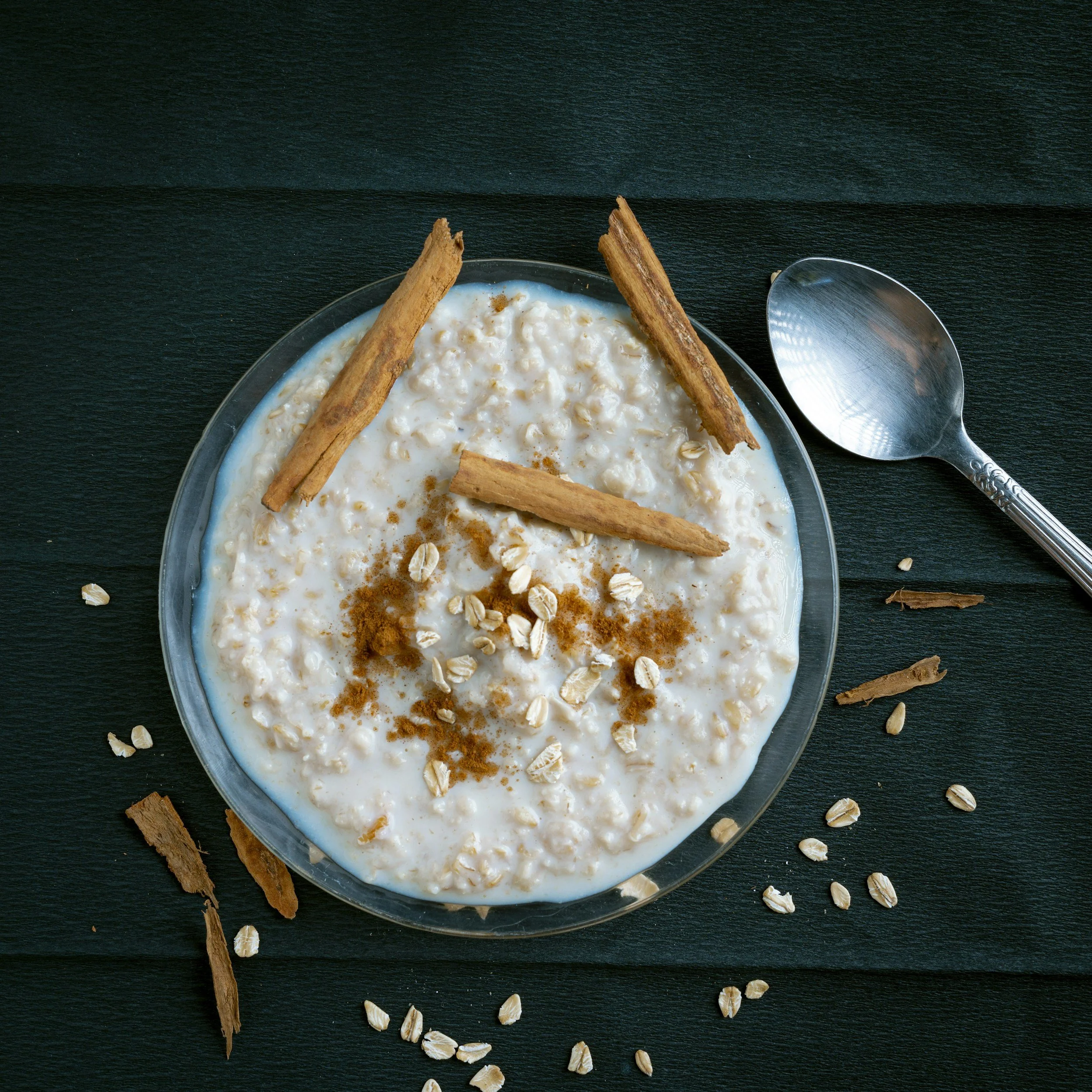
For years my idea of a healthy breakfast looked a lot like what most of us have been taught it should look like. It was a smoothie packed with greens, fruit, protein powder and whatever superfood happened to be having its moment that year. There is nothing inherently wrong with a smoothie. But picture yourself drinking one on a cool Fall morning. Does something icy and raw really sound nourishing in that moment?
This is the kind of question Ayurveda encourages us to ask. Instead of simply wondering whether a food is healthy, it asks whether that food supports this particular person, in this season, at this point in her life. For women moving through perimenopause, I find that question especially useful. Our bodies are changing, and appetite, sleep, energy, digestion and body composition can all feel quite different than they did ten or twenty years ago. Fall adds its own shift as the air turns cooler and drier and the days grow shorter.
Rather than meeting all of this with another restrictive diet, I like to think of fall as a chance to make our meals a little warmer and more nourishing. There is no detox here and no list of forbidden foods, only a few seasonal changes that can make a real difference in how you feel.
Why Ayurveda Favors Warmth in Fall
Ayurveda understands health through qualities, and fall is traditionally described as cool, dry, light and mobile. Ayurvedic practice usually responds by bringing in the opposite qualities, which means more warmth and moisture along with foods that feel grounding and steady.
In practice this can look remarkably ordinary. It might mean soup in place of salad, roasted vegetables in place of raw ones, stewed fruit instead of fruit straight from the fridge, a cup of tea instead of an iced drink, or oatmeal instead of a smoothie. None of this means one choice is good and the other is bad. A cold smoothie can feel wonderful on a hot August afternoon and much less appealing on a chilly November morning, and seasonal eating simply asks us to pay attention to that difference.
During perimenopause, when many women are already dealing with shifting energy, disrupted sleep and changing nutritional needs, meals that are satisfying and easy to fit into everyday life can become an important foundation.
Start With Breakfast
If you change only one thing this fall, I would start here, with something warm in the morning. You might make oatmeal with cinnamon, walnuts and stewed pears, or eggs with sautéed greens and roasted sweet potato. Warm quinoa with seeds and fruit works well, and so does simply reheating something nourishing from last night's dinner.
This doesn't need to turn into an elaborate morning ritual. The only real question is what would feel warm and sustaining to you today. If you love smoothies, you don't have to give them up forever. You might have them less often as the weather cools, let the ingredients come closer to room temperature, or just notice how you feel after a smoothie compared with a cooked breakfast. In my experience, curiosity tends to serve us far better than strict rules.
Cook More of Your Vegetables
Salads have become almost shorthand for healthy eating, but vegetables don't lose their value when you cook them. As the weather cools, try roasting, sautéing, steaming or simmering more of what you eat. That might be roasted squash with olive oil, a pan of sautéed greens, carrots and parsnips from the oven, a lentil soup full of vegetables, or a warm grain bowl in place of a cold salad.
In most cases you aren't changing what you eat so much as how you prepare it, and I have found that this makes seasonal eating much easier to keep up over time.
Don't Be Afraid of Healthy Fats
Fall food naturally invites a little richness. Olive oil, avocado, nuts and seeds help make meals satisfying while adding important nutrients, and from an Ayurvedic perspective the oil and moisture they bring also help balance the dryness of the season.
You might drizzle olive oil over roasted vegetables, stir tahini into a warm grain bowl or scatter walnuts over your oatmeal. What matters is eating in a way that leaves you truly nourished, rather than finishing a meal that looks healthy on paper and finding yourself hungry again an hour later. Midlife is not the time to be afraid of nourishment.
Bring Warming Spices Into the Kitchen
You don't need a special Ayurvedic spice cabinet to begin. Most of us already have cinnamon, ginger, cardamom, cumin, turmeric, coriander or fennel sitting somewhere in the cupboard. Add cinnamon and cardamom to your oatmeal, cook your vegetables with cumin and coriander, or grate fresh ginger into soup or tea.
Spices are one of the simplest ways to make your meals feel seasonal without overhauling your whole diet, and perhaps just as importantly, they make food taste good.
Keep Protein at the Center
Warm and nourishing should not mean a plate made up only of carbohydrates. Protein remains an important part of a balanced diet in midlife, particularly if you are doing resistance training or leading an active life.
I suggest building each meal around a protein that works for you, whether that is eggs, fish, chicken, Greek yogurt, tofu, lentils or beans, and then adding your cooked vegetables, carbohydrates and fats around it. You don't need to count every gram. The aim is simply to make sure protein hasn't quietly slipped off the plate while you are enjoying soups, porridges and other comforting fall foods.
Hydration Doesn't Have to Come With Ice
Many women tell me they simply forget to drink water once the weather cools. Your body still needs fluid after summer ends, so if cold water starts to feel unappealing, it is worth experimenting. You could keep a mug of warm water beside you, drink herbal tea, add a slice of lemon or ginger, or leave your water at room temperature instead of filling the glass with ice. Soup, fruit and vegetables all contribute fluid as well.
This isn't a rule against cold water. If you love it and it feels good in your body, keep drinking it. The invitation is only to notice whether changing the temperature makes it easier to stay hydrated through the cooler months.
What a Fall Day Might Look Like
Seasonal eating doesn't need to be complicated. A day might begin with warm oatmeal topped with cinnamon, stewed pear, walnuts and a spoonful of Greek yogurt, or with eggs, sautéed greens and roasted sweet potato. Lunch could be a bowl of lentil or chicken soup with vegetables, alongside a slice of sourdough and some olive oil. In the afternoon you might reach for an apple with nut butter, yogurt with cinnamon, or a cup of tea with a handful of nuts. Dinner could be salmon, tofu or chicken with roasted squash, cooked greens and some rice or quinoa, followed by an herbal tea in the evening if you enjoy one.
There is nothing exotic about any of this, and that is entirely on purpose.
Easy Seasonal Swaps
If a cold smoothie is your usual breakfast, try oatmeal, eggs or warm quinoa a few mornings a week. If lunch tends to be a large raw salad, a warm grain bowl with roasted vegetables can give you much of the same goodness in a more comforting form. Cold fruit straight from the fridge can become stewed apples or pears with cinnamon, and raw vegetables can go into the oven or a pan instead. If you always drink iced water, see how room temperature water or herbal tea feels. And if dinner is light but leaves you wandering into the kitchen later in the evening, try adding a little more protein, fat or a satisfying carbohydrate.
None of these swaps needs to be permanent. You are simply gathering information about your own body.
Let the Season Change the Way You Care for Yourself
One of the things I have always appreciated about Ayurveda is that it doesn't assume our needs stay the same all year. The weather shifts, our schedules shift and our bodies shift along with them, and perimenopause makes that reality very hard to ignore. Rather than fighting these changes, seasonal living gives us permission to respond to them.
Perhaps the breakfast that worked beautifully for you at 32 no longer feels right at 45, or the salad you loved in July is not what you want in November. That isn't failure. It is information, and learning to listen to it is one of the most useful skills we can bring into the second half of life.
At Ritual Wellness, our Ayurvedic consultations include individualized nutrition and lifestyle guidance that takes into account your constitution, your current stage of life, your daily rhythm and the season you are living in. You don't need another perfect diet. Sometimes what you need is to ask yourself a different question: what would nourish me now?
Frequently Asked Questions
Do I need to stop eating salads or drinking smoothies in fall?
No. Seasonal eating isn't about banning foods. If you enjoy salads and smoothies and feel good eating them, there is no reason to make them forbidden. You can simply bring in more warm, cooked food as the weather cools and notice what works best for you.
What if I experience hot flashes? Should I still eat warming foods?
Warm food doesn't have to mean spicy food. If you are experiencing a lot of heat, you may feel better with cooked, nourishing meals that go easy on hot spices like chili and a lot of ginger. Ayurveda is individualized for exactly this reason, since the same recommendations won't suit every woman.
Is this an Ayurvedic diet?
These ideas are inspired by Ayurveda, but you don't need to follow a formal Ayurvedic diet to use them. I would think of this as a seasonal way of approaching food rather than a set of rules.
Do I need to know my dosha before changing how I eat?
Not at all. You can begin with simple observation by noticing your appetite, your digestion, your energy and how different meals leave you feeling. Understanding your constitution adds another layer of personalization, but you don't need it to start eating more seasonally.
The information shared in this post is intended for educational and informational purposes only and does not constitute medical advice, diagnosis, or treatment. The content reflects the holistic wellness philosophy of Ritual Wellness Center and is not a substitute for professional medical care. Always consult with a qualified healthcare provider regarding any health concerns, symptoms, or before making changes to your wellness routine. Individual experiences vary, and what is shared here is not intended to replace the personalized guidance of your doctor or licensed healthcare professional.